
Claritans are about to receive a welcome upgrade to our signature Transit service that eliminates much of the anxiety associated with standing at a bus stop waiting for the coach.
Santa Clarita Transit gave SCVTalk an exclusive all access pass to preview the enhancements:$2.8M worth of technology and operational enhancements to their fleet, dispatch, and routing systems. The final phase will be released to the public within the coming weeks.
The project, known as “Transit Information Network” (TIN), provides information to SCTransit staff in real time and serves as a vital tool for the City to actively manage the network. Transit staff use the tool to pinpoint and address problem areas in the service, such as late or off-route buses.
SCTransit managers have been using the system to manage and improve routes for the past few months (notably improving on-time performance from 85% to 92%). Now TIN is ready for its public debut, offering passengers instant status updates on any bus serving a given route. The public will have the ability to access bus/route information in a variety of ways:
LED Signs – providing bus arrival times on a three line display posted at 10 bus stops and terminals
BusTV – Flat panel screens found at the transit center and Metrolink station will display extended service information (should be live by the time you read this).
TIN route data that will be displayed on flat panel screens
Self service – TIN will be accessible via touch-tone phone, web, and iPhone (we validated the web interface will work on most any smartphone, but there will be an iPhone-specific interface to boot).
TIN's real-time reporting allows Transit staff to monitor and respond to route exceptions.
Transit coaches report location information every 20 seconds. Each green dot represents a ping from a coach, containing time, location and speed; the gray halos are scheduled stops.
Analysts can zoom to a specific street and reported location.
Each bus has a GPS, computer and modem on board.
The white hump and "shark fin" are the radio and GPS antennae components specific to TIN. The system communicates via a radio tower on Oat Mountain (or cellular when the buses are out of range).
In comparing the SCVTV preview of some of the infrastructure from November 2009, it was obvious from my tour the full scale go-live is now just a few short weeks out. Six months ago, the BusFinders were still in boxes. A significant chunk are already at a number of stops, due to blanket the rest of the service area by the end of June.
Bus stop numbers are marked on the poles all around the SCTransit service area; those stop numbers offer quick access via the web interface.
A preview of the mapping interface that will be accessible to riders via the web.
After an extensive RFP process that began three years years ago, SCTransit sourced the system from Connexionz Ltd, a New Zealand-based provider of transit systems. The same system is in place in a number of global transit systems, and is currently being installed in the SF Bay area, as well. The total value of the SCTransit TIN project is $2.8M.
SCTransit is also working on interface to Google Transit for route planning and reporting.
TIN has a robust analytical reporting suite that gives SCTransit a wealth of information that can be aggregated across multiple dimensions, including route, driver, day of the week, etc. – insight that is used to continuously improve the quality of the transit service.
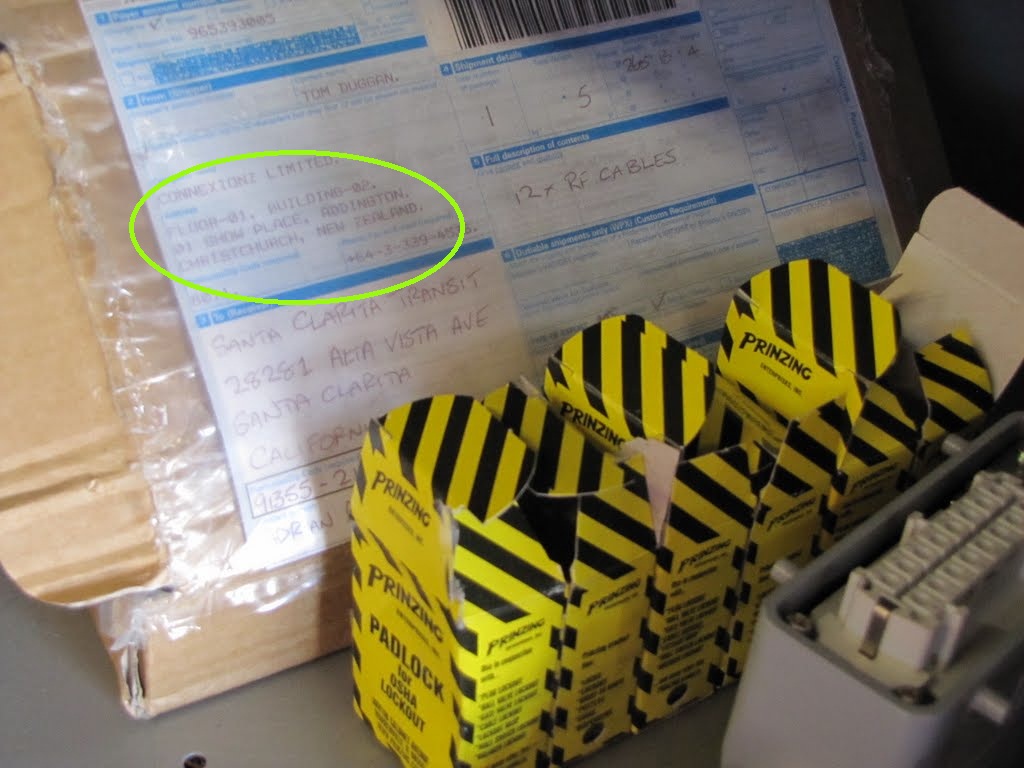
Connexionz of New Zealand provides both software and hardware for TIN.
Special thanks to SCTransit staffers Adrian Aguilar and Brendie Heter who demoed the various parts of TIN at the Transit Maintenance Facility, probably the most green building in SCV. It opened with fanfare in 2006, receiving Gold LEED certification and winning a host of greenie awards.
The shade structure shown will be extended to cover most of the yard and outfitted with solar panels. The panels are expected to provide 90% or more of the facility's energy consumption.
SCTransit has made a series of serious improvements to its fleet and service. The main facility boasts honest-to-goodness green credibility. The fleet is dominated by cheap, abundant, enviro-friendly compressed natural gas (CNG)-powered coaches. Fares are now collected via cash-free TAP cards. The innovative Commuter service offers near door-to-door transport for most commuters. Beyond improving communication with riders, TIN creates a positive feedback loop into the service, promising better efficiency and service to its riders.
Despite all these changes, unfortunately a material number of Claritans still refuse to take SCTransit, even for the portion of their errands that falls in the sweet spot of the service. Like an over-achieving sibling to the car in your garage, it seems no matter what SCTransit does, it’s just not enough for this group of people.
Their loss.
Comments
18 · as published