The oldest task in human history: to live on a piece of land without spoiling it.
-Aldo Leopold
I’m conflicted on Newhall Ranch. On the one hand, I probably wouldn’t have an affordable home in this nice community if it weren’t for Newhall Land’s Valencia development. In fact, the Santa Clarita Valley would be little more than a backwater land of inchoate, thoughtless developments if it wasn’t for Newhall Land and their high quality “master plan” which shaped the landscape of the SCV decades ago. This fact gives Newhall Land credibility to develop Newhall Ranch in my mind.
There’s also this other feeling I have as someone who has lived in the Western United States all my life. It’s in our nature as westerners and Americans, as beneficiaries of Manifest Destiny, to expand and to grow. On a gut level, I look at the landscape of Newhall Ranch and I think to myself, “It’s not doing much now. Let’s make it productive and build something great” which is pretty much the story of how the Western United States -and the Santa Clarita Valley- grew and became prosperous. And I admire Newhall Land’s ability & vision to take that risk and to create something out of nothing.
On the other hand, I tend to think that developments like Newhall Ranch (and Valencia for that matter) may be obsolete. With global climate change, increasing fuel costs, difficulty in getting water, and ever-increasing traffic, is there a market for far-flung suburban development in 2010? How about 2020 or 2050? Oh sure, Newhall Land promises that the Ranch will be different, it will not be sprawl, it will be built with local jobs available, but is that really the case? They also promise that much of the land back there behind Magic Mountain will be left as open space, but isn’t it all open space now? Why change it?
I had all this in mind as John B. and I asked to go on tour of the SCV’s back country, the property Henry Mayo Newhall and his sons received from the Spanish. It’s gone by many names over the years: from Rancho San Francisco to Portrero Valley to all the new names Newhall Land wants to apply to the various communities it hopes to build starting in a few years.
John and I wanted to document the landscape before it gets developed and we wanted to learn whether Newhall Ranch is feasible in an economic sense and responsible in an environmental sense. This post will feature photos of that back country with detailed captions; John will follow up with his more specific thoughts on what Newhall Land is planning later.
Hope you enjoy.
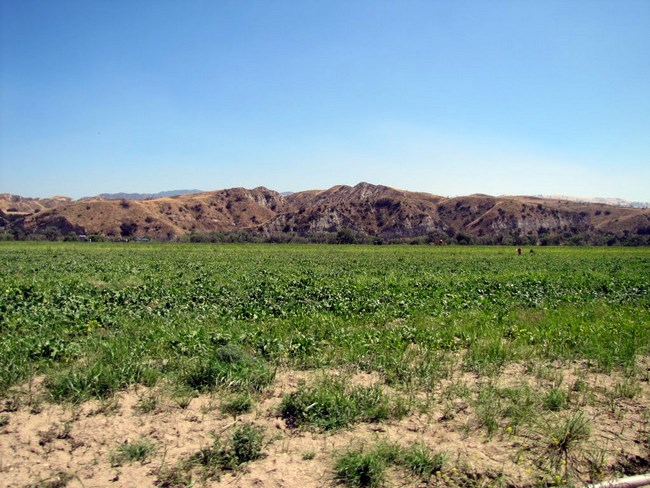
Our tour started in some pepper fields just south of Highway 126. This area will be the site of Landmark Village, the first development in Newhall Land's 21,000 Newhall Ranch project
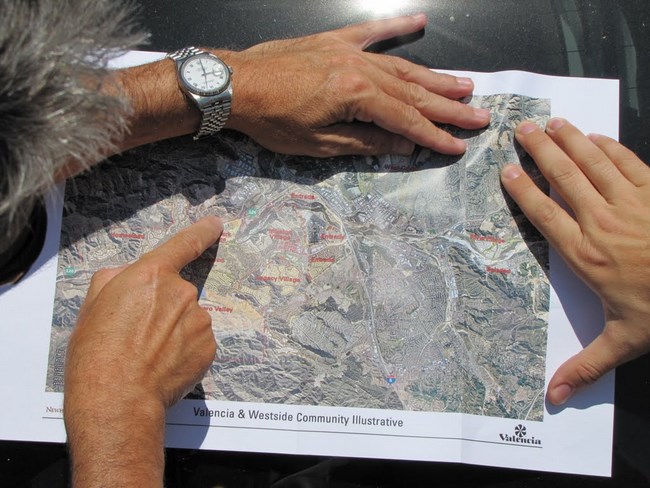
Our tour was hosted by two Newhall Land developers. They helped us visualize where each development would go, and emphasized the amount of open space NL will preserve
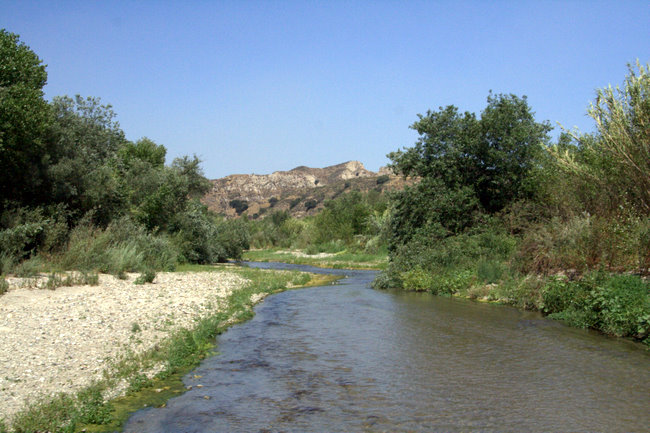
One of the concerns SCOPE and a myriad of others have expressed about Newhall Ranch is that it will impact the river. The two developers we were with were quick to point out that Landmark Village development won't be that close to the river; they compared the proximity to what is currently built in Bridgeport, where there is several hundred feet between the riverbed and the streets
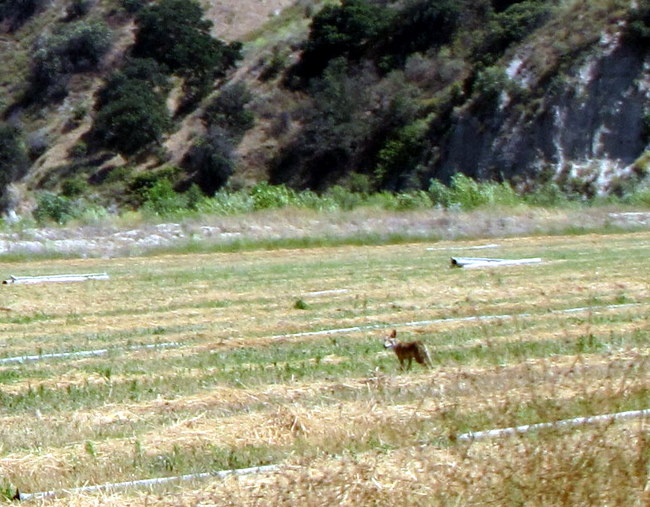
We spotted a lone coyote patrolling the fields as we entered the Ranch, a not-so-subtle reminder that this is a largely wild landscape
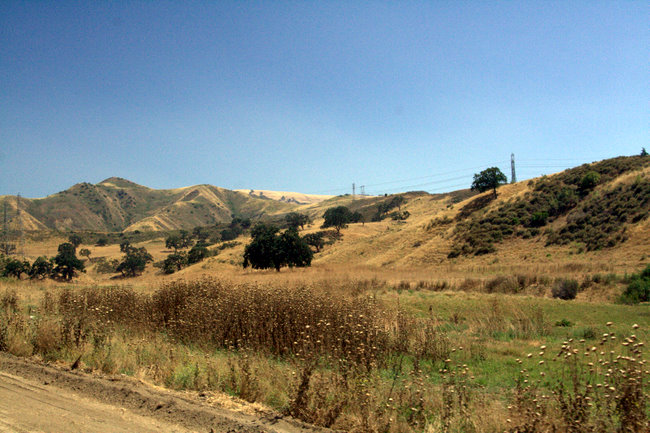
To get to the back side of Newhall Ranch, you have to cross some locked gates and cattle guards. Looking at the territory on a map, you get the feeling that it's a really large space, but once we were actually back there, it felt significantly more constrained by the hills and mountains. And yet you couldn't help but feel that this is what parts of Santa Clarita must have looked like before Valencia
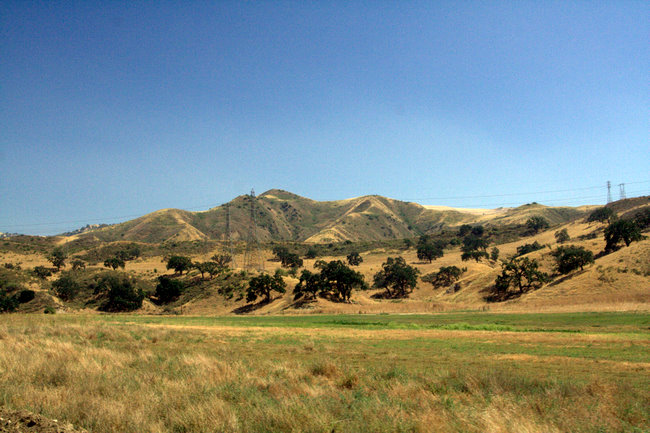
A shot of what is called Potrero Valley, which is the site of Newhall Ranch's last (and possibly largest) Potrero Village development in Newhall Ranch. As you can see, even in the back country there is no escaping Edison's electrical lines and towers
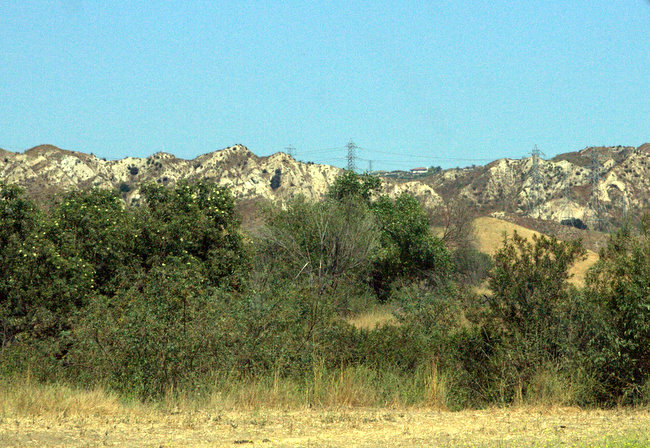
From parts of Potrero Valley, you can see evidence of the SCV, which was rather disconcerting. We drove so far back into the ranch we thought we were miles from the SCV, but in reality, Stevenson Ranch (developed by NL's rivals) was just over a ridge
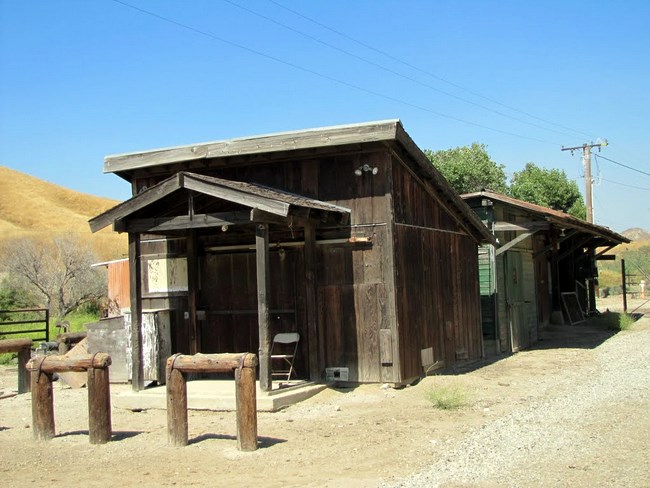
In the center of Potrero Valley is a rather strange little series of buildings. Keep in mind Newhall Ranch is an "active ranch" as NL reminds everyone; these buildings are used by authentic cowboys as they go about their authentic cowboy business. Yes. Authenticity in the SCV at last!
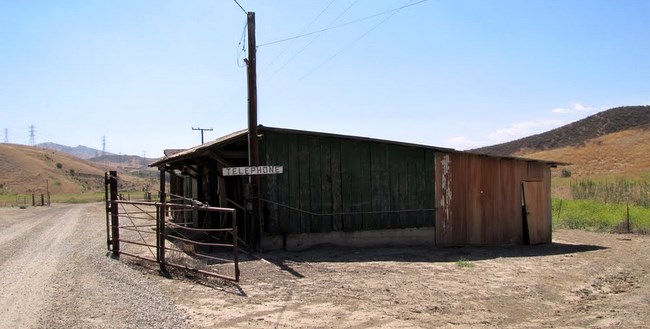
Another shot of the buildings on Potrero Canyon road

John B. skillfully shot this 360 degree panoramic photo. Click to enlarge
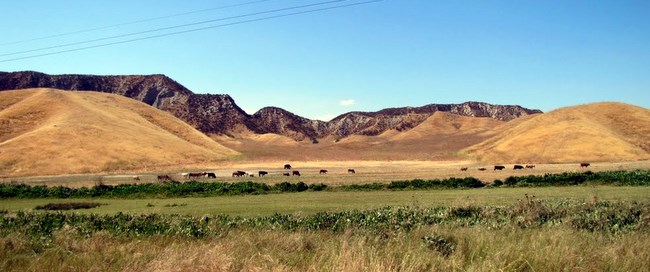
Cattle freely roam much of the territory back there, hearkening back to Newhall Land's earlier core business. Does anyone remember when we used to see cattle grazing where West Ridge is now?
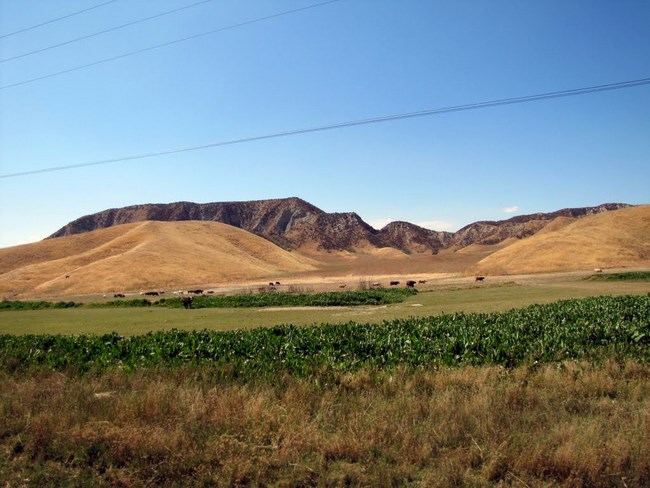
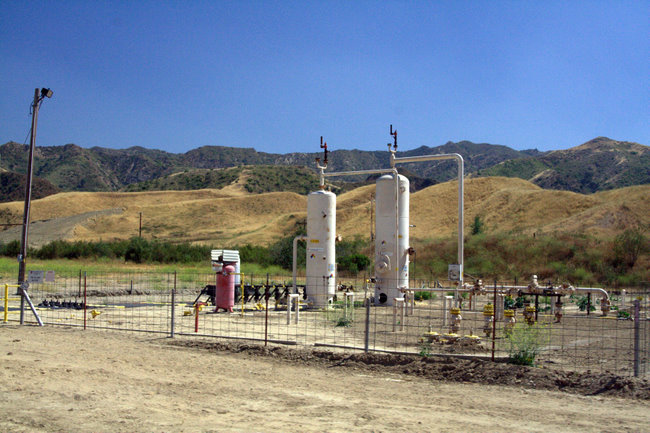
In addition to cattle ranching, the Ranch is used for other purposes too. Both petroleum and natural gas are extracted in Newhall Ranch (the equipment above has to do with natural gas production I'm told). These wells will be capped off eventually as homes are built (interestingly enough, one of the plans to deal with excess chloride in the Santa Clara River involved dumping chloride down these wells)
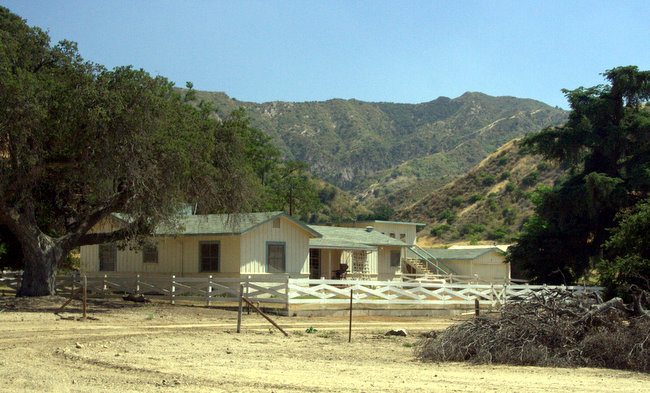
This home is still used by cowboys and ranchers. It was built in 1945 for Barnsdall Oil Company, according to SCVHistory.com
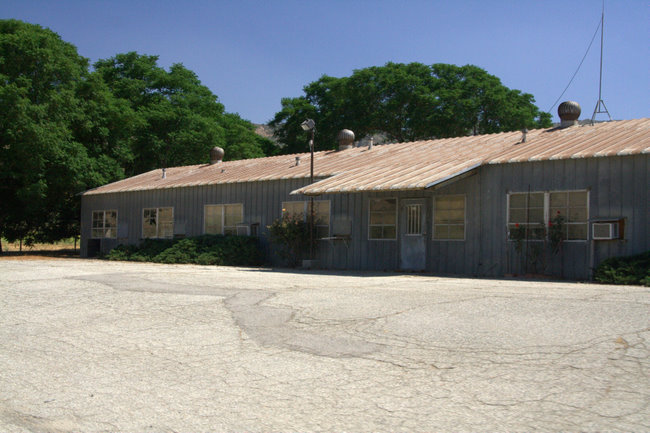
This building was once used by oil and gas employees. I think it is largely abandoned now and sits near the southern edge of Potrero Valley
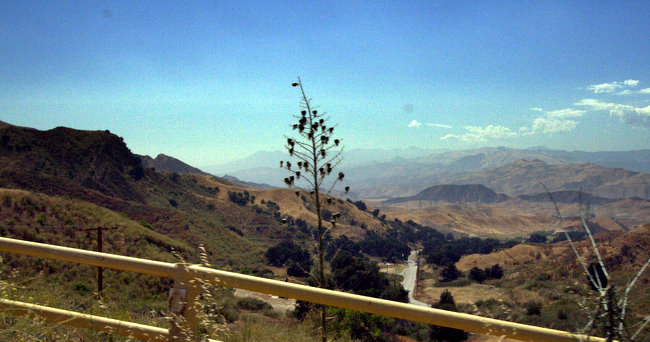
This photo was taken from the top of Potrero Canon Road on the southside of the valley. Just a mile or so down the road from here is Mentryville. In other words, we had driven on back-roads all the way from Highway 126 back to Pico Canyon Blvd. Eventually this may be a major thoroughfare
Comments
18 · as published